A Practical Guide to Sustainable Energy in Communities
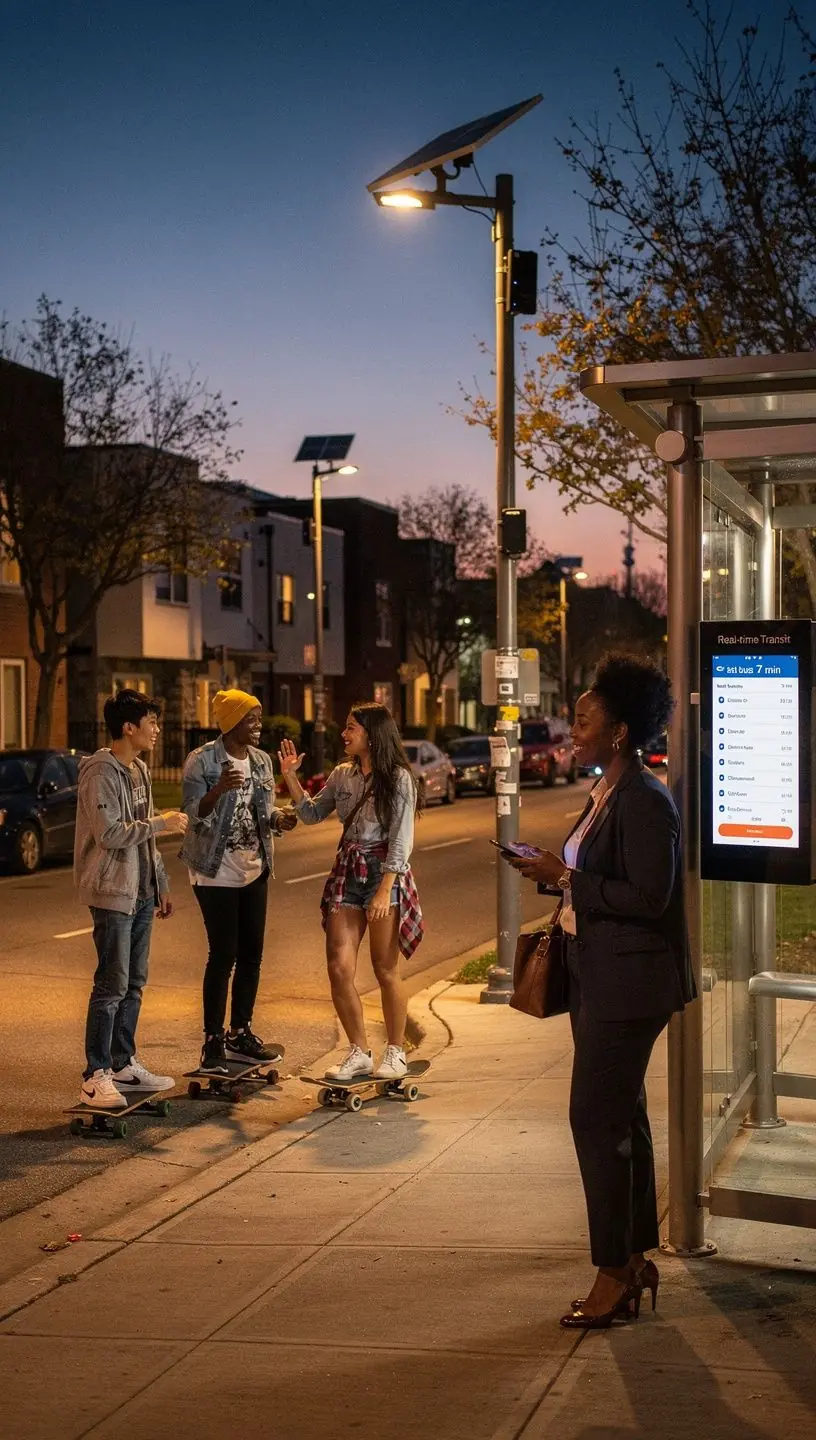
As urban communities continue to grow, finding sustainable energy solutions becomes increasingly crucial. This guide explores practical approaches for integrating sustainable energy sources within residential districts, aiming to enhance daily life while reducing environmental impact.
Understanding Sustainable Energy
Sustainable energy refers to energy that is produced and consumed in ways that do not deplete resources or harm the environment. Experts recommend utilizing renewable energy sources such as solar, wind, and hydroelectric power, which are often more environmentally friendly than fossil fuels. According to a 2021 study by the International Renewable Energy Agency, transitioning to renewable energy can reduce greenhouse gas emissions significantly.
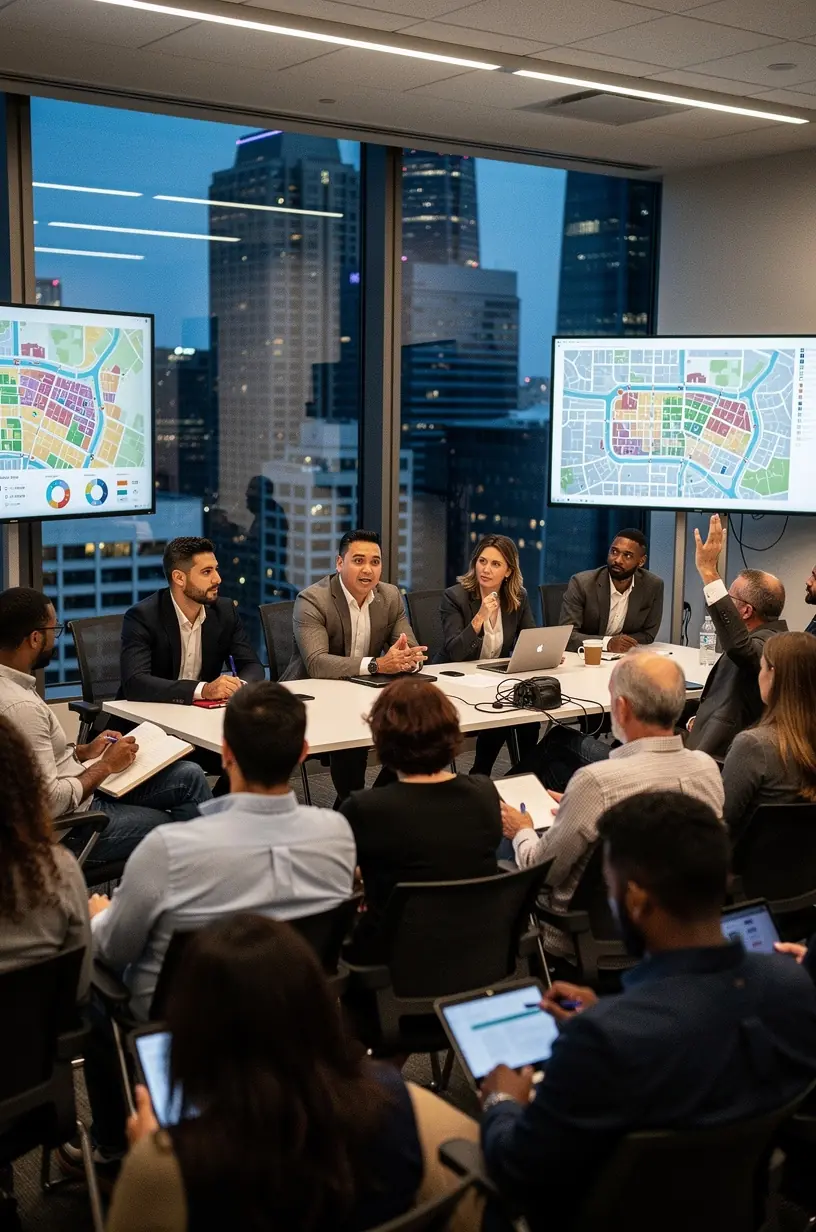
"Transitioning to renewable energy is not just an environmental necessity but also an economic opportunity for communities." - Energy Research Institute
Benefits of Sustainable Energy in Communities
- Reduced Energy Costs: Many users report lower utility bills after transitioning to renewable energy systems, as they become less reliant on grid energy.
- Environmental Impact: Studies show that communities utilizing solar and wind energy see significant reductions in their carbon footprints, contributing to a healthier environment.
- Increased Energy Independence: Communities that invest in local energy solutions can reduce their dependency on external energy suppliers, enhancing resilience during energy crises.
Implementing Sustainable Energy Solutions
To effectively implement sustainable energy solutions in your community, consider the following steps:
- Assess Energy Needs: Conduct an energy audit to understand your community's energy consumption patterns and identify potential areas for improvement.
- Explore Funding Options: Many governments in Canada offer grants and incentives for renewable energy projects. Research these options to alleviate financial burdens.
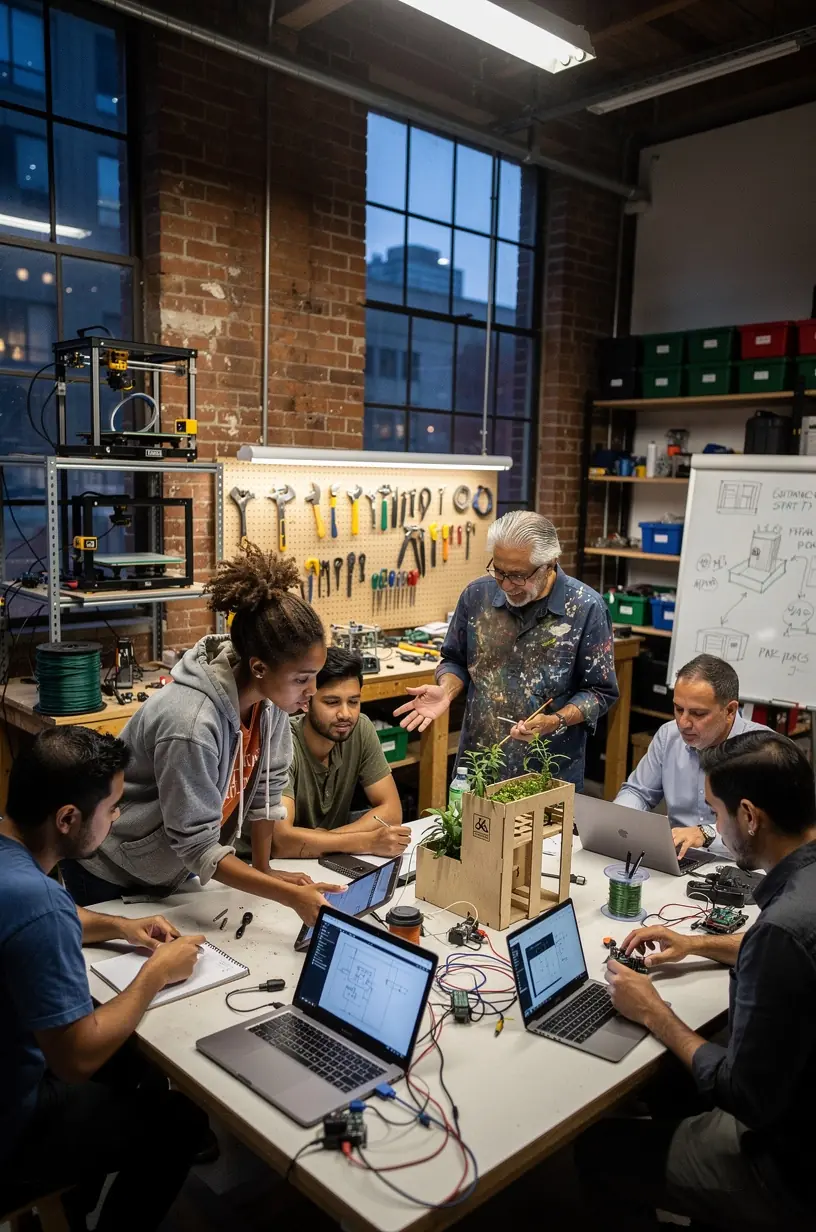
- Engage the Community: Encourage residents to participate in discussions about energy solutions. Community buy-in is crucial, especially for larger projects.
Challenges and Limitations
While implementing sustainable energy solutions can be beneficial, it is important to acknowledge potential challenges:
- Initial costs for installation can be significant, often requiring upfront investment.
- Transitioning to new energy sources typically takes time, with most projects spanning several months to years for full implementation.
- Some technologies may require prior knowledge or skills, necessitating training programs for effective use.
Conclusion
In summary, adopting sustainable energy solutions in residential communities can lead to numerous benefits, including cost savings and reduced environmental impact. However, it requires careful planning, community involvement, and an acknowledgment of potential challenges. By focusing on education and practical steps, communities can move towards a more sustainable energy future.